Should You Resurface or Replace Your Asphalt Driveway?
Resurface when the base under the asphalt is still firm and the wear is on top. Replace when the base has failed. Wide areas of alligator cracking, deep ruts, many potholes and standing water point to a failed base. A few bad spots can often be patched instead.
National cost guides put resurfacing at about $1 to $10 a square foot. Full replacement runs about $4 to $18. These are market numbers, not our price list. For asphalt resurfacing around Lebanon, we look at the driveway first, then put a free estimate in writing.
What are your options for a worn asphalt driveway?
- Patching. Cracks get filled, and potholes get cut out and refilled with hot mix. Asphalt repair like this fits a drive with trouble in a few spots.
- Resurfacing. Repairs come first, then a new layer of hot mix goes over the old asphalt. A state asphalt pavement association calls 1.5 to 2 inches typical for this overlay.
- Replacement. The old asphalt comes out. New asphalt goes down over a rebuilt base.
Which signs mean the base has failed?
A university road-rating manual for local road departments ties each kind of damage to a fix. The same signs show up on driveways.
- Alligator cracking. Connected cracks break the surface into pieces about 1 to 6 inches across. The manual blames traffic loads and, very often, weak support below. Small areas get dug out and rebuilt. Large areas need full reconstruction.
- Potholes. A pothole goes all the way through the asphalt to the base. A pavement engineering reference calls it the late stage of alligator cracking. Many potholes point to poor soil and bad drainage, the manual says.
- Ruts and sunken spots. Ruts 2 inches deep or more may mean the base or soil has settled. An overlay can level minor ruts, but severe ones call for milling or rebuilding first.
- Broken edges. Cracks within a foot of the edge come from weak side support and poor drainage, the manual says. Left open, they can ravel and widen until they need patching.
- Standing water. A driveway should shed rain. A state asphalt association’s brief calls for a slope of at least a quarter inch per foot. A pavement engineering reference names poor drainage as one way a base loses its support.
Alligator cracking on more than about a quarter of the surface calls for rebuilding with base repair, the manual says. With less, it calls for patching and repair before a major overlay.
When is resurfacing the right call?
Resurfacing fits a driveway that is worn on top but sound underneath. The surface may look gray and dry, with cracks and some loose stone. It still sits level and sheds water.
National cost guides offer a rule of thumb. One says resurfacing works best on pavement under 15 to 20 years old. The base should be good, with under 30 percent of the surface damaged.
A state asphalt association’s technical brief lays out the prep:
- Weak spots and large cracks get cut out and patched first.
- The old surface has to be clean and dry.
- A tack coat of liquid asphalt goes on so the layers bond together.
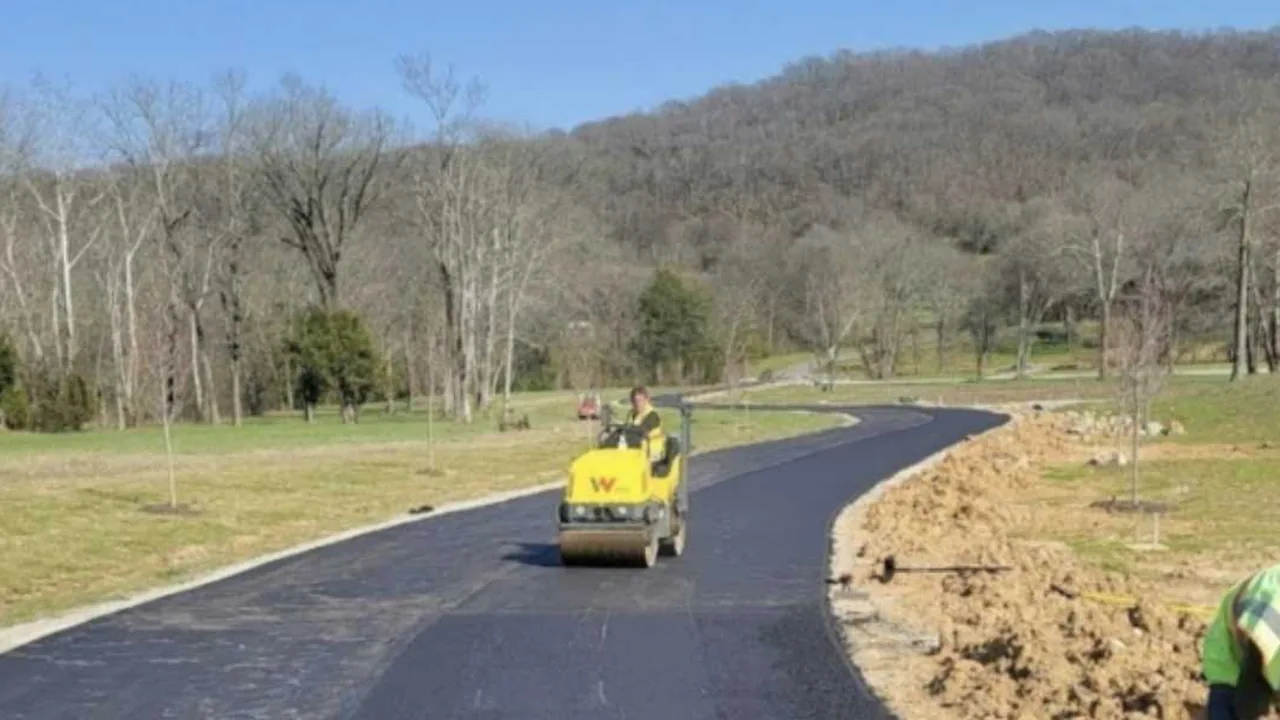
- The hot mix goes down and gets rolled while it is still hot.
Milling, or grinding off the top layer first, evens out badly damaged asphalt, one national guide says.
When does an asphalt driveway need to be replaced?
Replace the driveway when the base has failed. A thin new layer does not fix a weak base under it. Cracks in an overlay follow the crack pattern underneath, the rating manual says. Engineers call this reflection cracking, and the manual says thick overlays or reconstruction are usually required.
One national cost guide lists these signs that point to replacement:
- cracks covering 60 percent or more of the surface;
- large cracks 1 to 2 inches deep or more;
- several large potholes;
- a driveway older than about 20 to 30 years;
- a failed base, or trouble with slope or drainage.
Another guide warns that resurfacing an old, damaged driveway may buy only a year or two.
A replacement starts at the ground. The old asphalt comes out, and the base gets regraded and packed with a roller. Then new hot mix goes down, the same as asphalt driveway paving on a new drive.
That regrading brings in Tennessee’s one-call law. The law counts grading as excavation, and notice to Tennessee 811 is due at least three working days ahead. Pavement repair or milling that stays within the old pavement and base stone falls outside that definition.
Why do Middle Tennessee driveways lose their base?
Water keeps showing up in those signs, and Middle Tennessee gets plenty of it. NOAA’s 1991 to 2020 climate normals give Lebanon about 54 inches of precipitation a year.
Winter adds freeze and thaw. Lebanon averages about 91 days a year with a low at or below freezing. Only about 8 stay at or below freezing all day, so most freezes thaw within the day. Water in an open crack goes through that cycle over and over.
The ground plays a part too. NRCS soil surveys show more Talbott soil around Lebanon than any other kind. It formed in clay weathered from limestone, and water moves through it moderately slowly. Filling cracks early keeps more water out of the base, the rating manual notes.
What does resurfacing cost compared with replacement?
Each national cost guide gathers prices its own way, so the ranges differ.
| Work | Published market range | Source |
|---|---|---|
| Crack filling | $1 to $3 per linear foot | A national cost guide |
| Pothole and patch repair | $2 to $5 per sq ft | National cost guides |
| Cutting out a failed section | $3 to $12 per sq ft | A national cost guide |
| Milling the old surface | $0.25 to $0.75 per sq ft | A national cost guide |
| Resurfacing (overlay) | $1 to $3 per sq ft in one guide, $3 to $10 in another | National cost guides |
| Full replacement, old asphalt removed | $4 to $10 per sq ft in one guide, $8 to $18 in another | National cost guides |
| 2-inch overlay, Nashville | $2 to $3 per sq ft | One guide’s 2022 Nashville figures |
| Tear out and repave, Nashville | $4 to $6 per sq ft | One guide’s 2022 Nashville figures |
| Minimum charge on small jobs | $100 to $250 | A national cost guide |
In every guide, resurfacing runs about a third to a half of the cost of replacement. On a two-car driveway, one guide’s typical resurfacing job runs $400 to $1,800. Another guide’s normal range for a resurfacing job is $600 to $6,000.
Our guide to asphalt driveway costs in Tennessee covers new driveway prices.
What should an estimate visit check?
A good estimate looks past the surface. It should answer these questions:
- How much of the surface has alligator cracking?
- Does the drive sit level, or are there ruts and sunken spots?
- Where does rain go, along the edges and at the low end?
- Which spots need cutting out before an overlay?
Get the answer in writing. A state asphalt association’s brief says the contract should spell out the job’s size and material thicknesses.
Ready to find out if your driveway can be resurfaced?
Paveway Paving Pros resurfaces and repairs asphalt driveways across Middle Tennessee, about 60 miles around Lebanon. When the base has failed, we replace the driveway from the ground up. Read how our overlays work, then call or text (615) 894-5175. We look at the driveway and write a free estimate for the fix it needs.